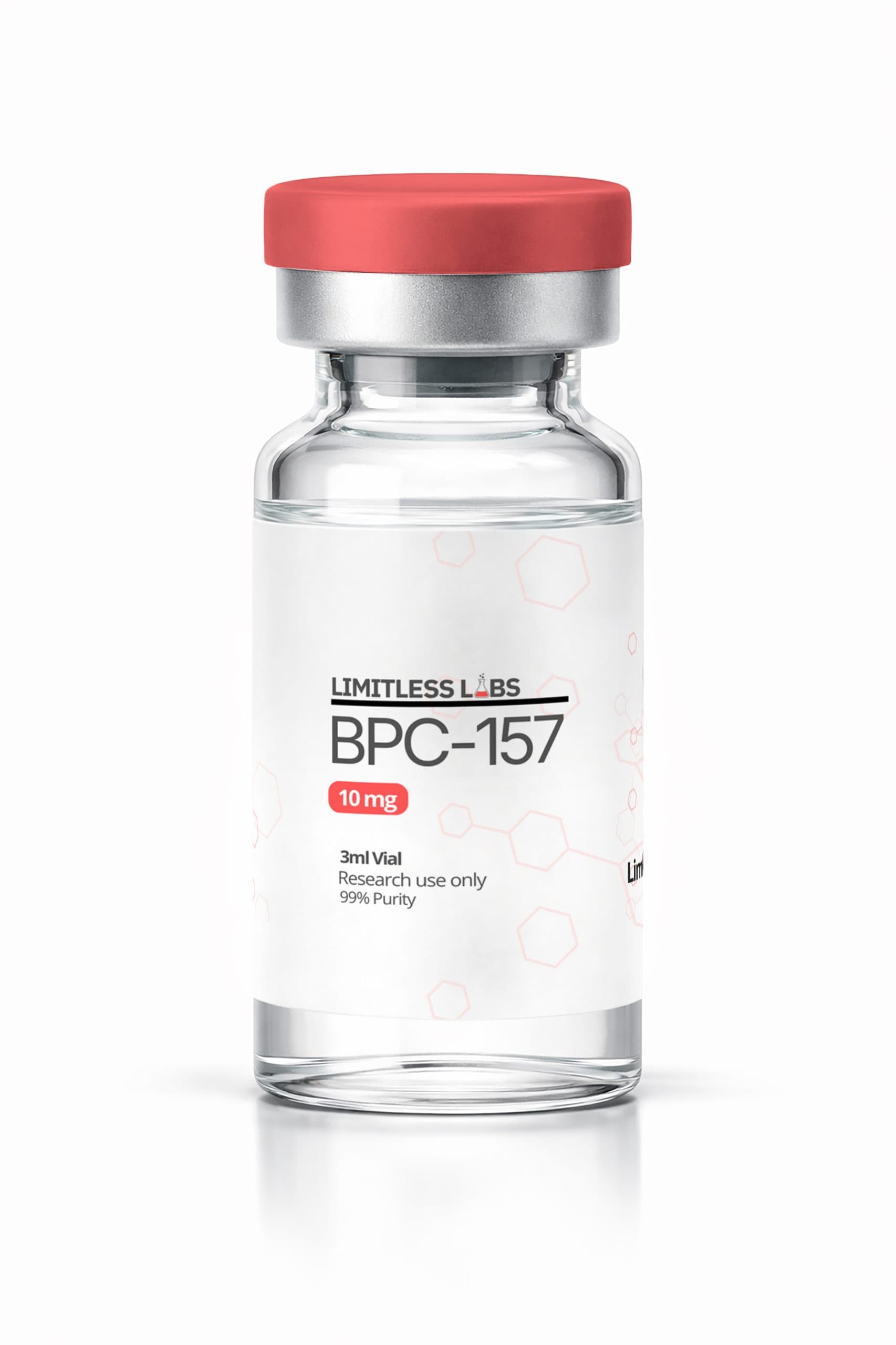
BPC-157 is a synthetic 15-amino-acid peptide derived from a protein sequence identified in human gastric juice. It has been studied for roughly three decades, primarily in rodent models of tissue injury, gastrointestinal damage, and vascular insult, where researchers have reported associations with accelerated healing across a wide range of tissues. One point should be made plainly before anything else: the published evidence base for BPC-157 is almost entirely preclinical. There are essentially no published, controlled human trials, and a large majority of the animal literature originates from a single research group at the University of Zagreb. Readers should treat the preclinical findings summarized below as an observation from animal or cell-culture experiments — hypotheses about biology, not established effects in humans. BPC-157 is not approved as a drug by the FDA or any other regulatory authority, and it is prohibited at all times for athletes under the World Anti-Doping Code.
What is BPC-157?
BPC-157 (also written BPC 157, and appearing in older literature under the development codes PL 14736, PL-10, and PLD-116) is a pentadecapeptide — a chain of fifteen amino acids with the sequence Gly-Glu-Pro-Pro-Pro-Gly-Lys-Pro-Ala-Asp-Asp-Ala-Gly-Leu-Val. It is a partial sequence of a larger protein that the discovering researchers reported isolating from human gastric juice and named "Body Protection Compound" (BPC), reflecting their hypothesis that the stomach produces cytoprotective factors that defend the gastrointestinal lining and, by extension, other tissues [1].
The original 1993 publication framed BPC within a "stomach-stress-organoprotection" hypothesis: the idea that gastric-derived peptides participate in the body's integrated response to stress and injury [1]. The stable synthetic fragment, BPC-157, became the focus of subsequent work because it resists degradation in gastric juice — an unusual property for a peptide — which allowed researchers to administer it orally, intraperitoneally, and topically in animal experiments [2].
In the 1990s and 2000s, the Croatian pharmaceutical company Pliva investigated the peptide (as PL 14736 / PL-10) as a candidate therapy for inflammatory bowel disease, and review articles report that it reached early-phase clinical testing with an apparently benign safety signal [2,3]. However, controlled efficacy results from that program were never published in the peer-reviewed literature, and no clinical development appears to have progressed to completion. This gap — decades of animal data with no published controlled human outcomes — defines the current state of the science.
Mechanism of action (proposed)
No receptor for BPC-157 has been definitively identified, and its mechanisms remain incompletely characterized. The literature proposes several overlapping pathways, largely inferred from animal and cell-culture experiments:
Angiogenesis and VEGFR2 signaling. In one of the few mechanistic studies from a group independent of Zagreb, researchers in Taiwan reported that BPC-157 promoted vascular endothelial cell tube formation, accelerated vessel outgrowth in rat aortic ring assays, and was associated with activation and internalization of VEGFR2 (a key receptor in blood-vessel growth), engaging the VEGFR2–Akt–eNOS signaling pathway [4]. Increased formation of new blood vessels in injured tissue is one of the most consistently proposed explanations for the healing-related observations in animal models.
Fibroblast migration and adhesion signaling. In cell-culture work with tendon fibroblasts, BPC-157 exposure was associated with increased cell migration and spreading and with dose-dependent phosphorylation of FAK and paxillin — proteins involved in how cells attach to and move through a wound site — without increasing fibroblast proliferation itself [5].
Nitric oxide (NO) system interactions. A recurring theme in the Zagreb group's work is that BPC-157 interacts with the NO system, a signaling network involved in blood-vessel tone, mucosal defense, and platelet function. In an early rat study, BPC-157 counteracted gastric mucosal injury and blood-pressure changes induced both by L-NAME (an NO-synthesis blocker) and by L-arginine (an NO precursor), suggesting a modulating rather than one-directional relationship with NO signaling [6]. A dedicated review compiles these interactions across many injury models [3].
Growth factor and cytoprotective effects. Reviews of the literature also describe associations with growth factor expression (including early growth response genes), maintenance of endothelial integrity, and protection of the gastrointestinal mucosa against a range of chemical insults [3,7,13].
It bears repeating that these are proposed mechanisms assembled from preclinical experiments. How they fit together — and whether they operate in humans at all — has not been established.
Research findings by area
Everything in this section describes animal-model or in vitro research. None of these findings have been confirmed in controlled human trials.
Tendon and ligament healing
The musculoskeletal literature is the reason BPC-157 attracts attention in sports-medicine discussions, and it is entirely preclinical. In a rat model of Achilles tendon transection, BPC-157 administration was associated with faster healing as assessed biomechanically, functionally, and microscopically, and the peptide stimulated outgrowth of tendon explants in vitro [8]. Follow-up cell-culture work attributed this to increased tendon-fibroblast survival under oxidative stress and enhanced migration via the FAK–paxillin pathway described above [5]. In a rat medial collateral ligament transection model, BPC-157 given intraperitoneally, orally, or topically was associated with improved ligament healing over a 90-day observation period [9].
A 2025 systematic review of BPC-157 in orthopaedic sports medicine — useful precisely because it was conducted by authors outside the originating laboratory — included 35 preclinical studies and one retrospective clinical report; it did not establish controlled human efficacy or a clinical safety profile [16].
Muscle and myotendinous junction
In rat models of skeletal muscle injury, BPC-157 administration was associated with improved functional recovery and more organized tissue repair compared with controls. In transected quadriceps muscle, treated rats showed improved function and histology over a 72-day observation period, including in animals co-treated with a systemic corticosteroid [10]; in a muscle crush model, similar associations were reported alongside faster restoration of muscle function [11]. More recent work extended these observations to surgically disabled myotendinous junctions, where treated rats were reported to recover function with better-oriented tissue and reduced inflammatory infiltrate [12].
Gastrointestinal protection
BPC-157's origin story is gastrointestinal: it was characterized as a gastric cytoprotective peptide, and the largest share of the literature involves GI injury models [1]. Rodent studies have reported protective associations in models of gastric ulceration, experimental colitis, short-bowel syndrome, and intestinal anastomosis healing [2,13]. In a rat colocutaneous fistula model, BPC-157 administration was associated with accelerated fistula closure, and the effect was modified by agents that block or supply NO — again pointing to NO-system involvement [7]. A 2024 review from the originating group compiles the GI-tract literature, including lesion models spanning the esophagus to the colon [13]. It was this GI program that carried the peptide into Pliva's inflammatory bowel disease development track in the 1990s [2,3].
Vascular effects and the NO system
A body of rodent work describes BPC-157 in models of vascular injury and occlusion. Reviews from the originating group describe an "occlusion/occlusion-like" research program in which BPC-157 administration was associated with recruitment of collateral blood-vessel pathways after major vessel ligation, along with counteraction of thrombosis-related outcomes in those models [3,13]. The Taiwanese VEGFR2 study provides independent in vitro and rodent evidence for pro-angiogenic activity [4]. The NO-system interaction studies — where BPC-157 modulated the effects of both NO blockade and NO donation on gastric mucosa and blood pressure in rats [6] — sit at the center of the group's proposed unifying mechanism [3].
Other reported areas
The originating group has also published rodent studies across the central nervous system (traumatic brain injury, spinal cord compression), liver and pancreas lesions, and drug-toxicity models; a review of the CNS work is available for readers who want to survey those claims [14]. A 2025 literature and patent review provides a broad, more arms-length map of the claimed application space and notes that regulatory approval is absent because comprehensive human studies have not been performed [15].
Limited human observational evidence
A 2021 retrospective chart review described BPC-157 alone and BPC-157 with reported thymosin beta-4 in patients with knee pain [18]. It lacked randomization, a placebo control and standardized functional outcome measures. Its findings cannot establish treatment efficacy, safety or a combination advantage. This limited report should be acknowledged without presenting it as equivalent to a controlled trial.
Limitations and open questions
No controlled human data. This is the decisive limitation. Despite hundreds of animal publications, there are no published randomized controlled trials of BPC-157 in humans for any indication. Early-phase clinical work from the Pliva era is referenced in reviews, but its results were never published in full [2,3,15]. Claims about human benefit — for healing, recovery, or anything else — are extrapolations from rodents, not evidence.
Single-laboratory concentration. A large majority of the literature comes from one group at the University of Zagreb School of Medicine, with heavily overlapping author lists. Independent replication exists but is thin — the Taiwanese tendon and angiogenesis studies [4,5] are notable examples. Science generally treats findings that have not been widely replicated by independent groups with caution, and the 2025 orthopaedic systematic review explicitly flags risk of bias in the animal literature [16].
Unknowns in humans. Human pharmacokinetics, appropriate exposure levels, long-term safety, and immunogenicity are essentially uncharacterized in the published literature. The FDA has stated that it lacks sufficient information to know whether BPC-157-containing drugs would cause harm when administered to humans, citing potential immunogenicity for certain routes of administration and peptide-impurity concerns (FDA, bulk drug substances page).
Regulatory status. BPC-157 is not an approved drug anywhere. In the United States, the FDA placed it in "Category 2" of its interim policy on bulk drug substances for Section 503A compounding in 2023 (substances that may present significant safety risks); as of April 2026, the FDA removed it from Category 2, and it currently appears on the agency's list as a substance "nominated but withdrawn." That is a regulatory gray zone, not an authorization — the FDA did not move it to the permitted list, and it remains unapproved. In sport, BPC-157 is prohibited at all times under Section S0 (Non-Approved Substances) of the WADA Prohibited List, a status confirmed by anti-doping agencies including USADA and Sport Integrity Australia; athletes have been sanctioned after using products containing it.
Mechanistic incompleteness. No receptor has been identified, dose-response relationships across models are not always consistent, and the sheer breadth of reported effects — spanning nearly every organ system — is itself a scientific question. Pleiotropy this wide is unusual and warrants skeptical, independent investigation.
Frequently asked questions
Has BPC-157 been tested in humans? Not in any published controlled trial. Reviews reference early-phase clinical testing for inflammatory bowel disease under Pliva's development program in the 1990s–2000s, with a reportedly benign safety signal, but controlled efficacy results were never published [2,3,15]. A small retrospective knee-pain report also exists [18], but it does not establish efficacy or safety.
Where does the name "BPC" come from? "Body Protection Compound" — the name the discovering researchers gave a protein they reported isolating from human gastric juice. BPC-157 is a stable synthetic 15-amino-acid fragment of that sequence [1].
Is BPC-157 approved by the FDA? No. It is not an approved drug for any indication. It was listed in FDA Category 2 for compounding (possible significant safety risk) from 2023 until April 2026 and now sits in a "nominated but withdrawn" status — still unapproved, with FDA-noted concerns about immunogenicity and peptide impurities.
Can athletes use BPC-157? No. It is prohibited at all times under Section S0 of the WADA Prohibited List as a non-approved substance, under the cited WADA rules. Athletes should consult their own governing body’s current rules.
What is the strongest evidence for BPC-157? The most consistent signals are in rodent tendon, ligament, muscle, and GI injury models, where administration was associated with faster functional and histological recovery [7,8,9,10,11,12]. The most credible mechanistic finding is probably the independent VEGFR2/angiogenesis work [4]. "Strongest" is relative: all of it is preclinical.
Why do researchers study its interaction with nitric oxide? Because in rat experiments BPC-157 modulated the effects of both NO-synthesis blockers and NO precursors on gastric mucosa and blood pressure [6], and NO-system involvement recurs across the originating group's injury models [3]. NO signaling touches blood-vessel function, mucosal defense, and clotting, which could in principle connect the peptide's disparate reported effects — but this remains a hypothesis.
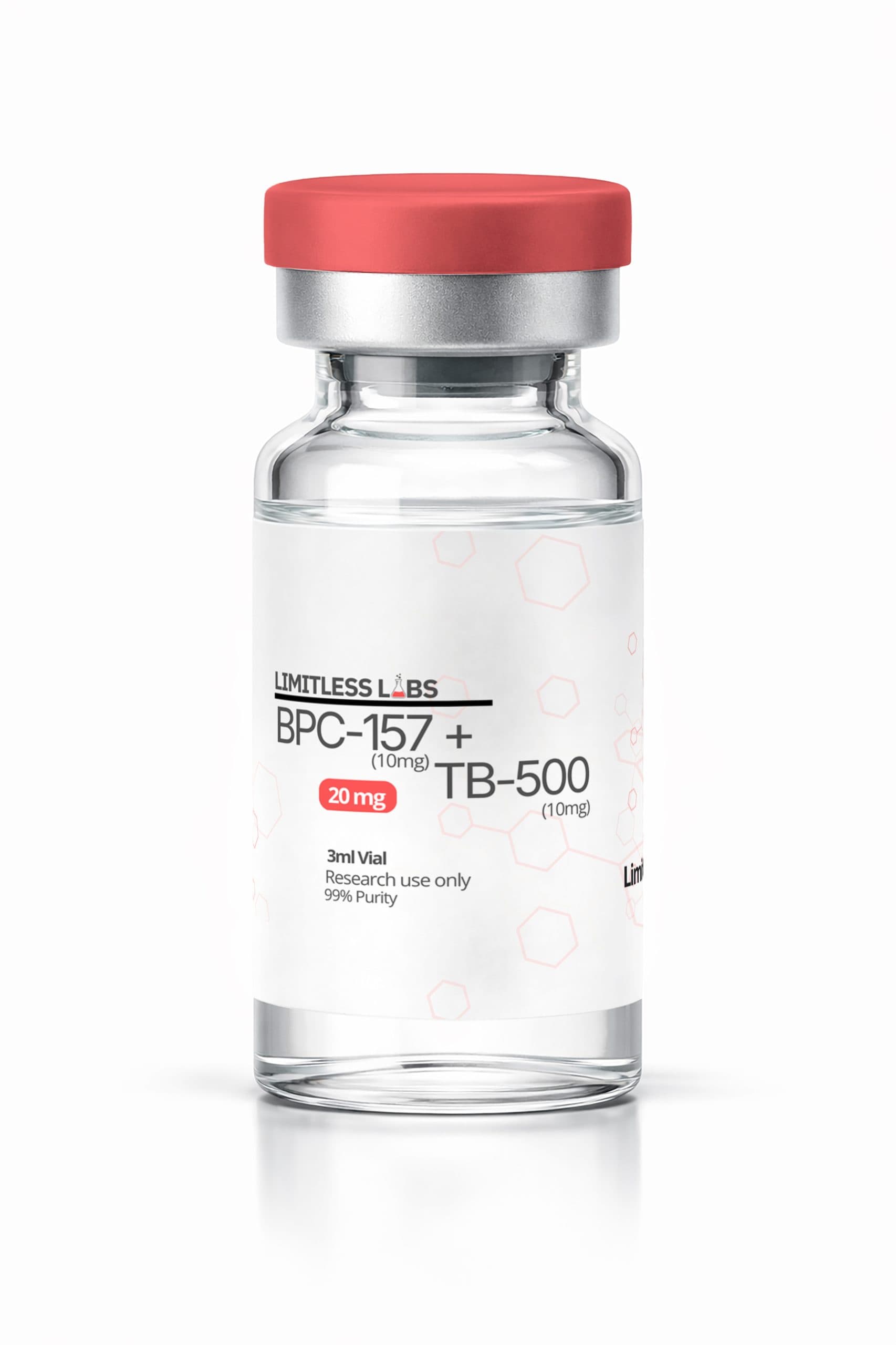
Is BPC-157 the same as TB-500? No. They are unrelated peptides. TB-500 is a fragment/analog related to thymosin beta-4, a different molecule with its own separate research literature. The two are sometimes discussed together in tissue-repair research contexts, but findings from one do not apply to the other.
Storage and Stability
BPC-157's best-documented stability property is the one in its name: the originating group reports the pentadecapeptide remains stable in human gastric juice for more than 24 hours, which is why the literature calls it a "stable gastric pentadecapeptide" [13][17]. Beyond that, published stability data are thin. A 2026 biopharmaceutical review concluded that no pharmaceutical-grade formulation of BPC-157 has been developed or validated, and that formal excipient-compatibility and formulation studies do not yet exist [17]. In the absence of compound-specific data, laboratory handling follows general peptide practice: lyophilized material stored at −20 °C or below, desiccated and protected from light; reconstitution with sterile water or a dilute neutral buffer as laboratory practice; solutions kept at 2–8 °C and used promptly; repeated freeze–thaw cycles avoided. Resistance to gastric-juice degradation says nothing about shelf stability in solution at room temperature, and no published study characterizes that.
References
Sikirić P, Petek M, Ručman R, et al. A new gastric juice peptide, BPC. An overview of the stomach-stress-organoprotection hypothesis and beneficial effects of BPC. J Physiol Paris. 1993;87(5):313-327. doi:10.1016/0928-4257(93)90038-U — PMID: 8298609
Sikiric P, Seiwerth S, Brcic L, et al. Stable gastric pentadecapeptide BPC 157 in trials for inflammatory bowel disease (PL-10, PLD-116, PL 14736, Pliva, Croatia). Full and distended stomach, and vascular response. Inflammopharmacology. 2006;14(5-6):214-221. doi:10.1007/s10787-006-1531-7 — PMID: 17186181
Sikiric P, Seiwerth S, Rucman R, et al. Stable gastric pentadecapeptide BPC 157-NO-system relation. Curr Pharm Des. 2014;20(7):1126-1135. doi:10.2174/13816128113190990411 — PMID: 23755725
Hsieh MJ, Liu HT, Wang CN, et al. Therapeutic potential of pro-angiogenic BPC157 is associated with VEGFR2 activation and up-regulation. J Mol Med (Berl). 2017;95(3):323-333. doi:10.1007/s00109-016-1488-y — PMID: 27847966
Chang CH, Tsai WC, Lin MS, et al. The promoting effect of pentadecapeptide BPC 157 on tendon healing involves tendon outgrowth, cell survival, and cell migration. J Appl Physiol (1985). 2011;110(3):774-780. doi:10.1152/japplphysiol.00945.2010 — PMID: 21030672
Sikirić P, Seiwerth S, Grabarević Z, et al. The influence of a novel pentadecapeptide, BPC 157, on N(G)-nitro-L-arginine methylester and L-arginine effects on stomach mucosa integrity and blood pressure. Eur J Pharmacol. 1997;332(1):23-33. doi:10.1016/S0014-2999(97)01033-9 — PMID: 9298922
Klicek R, Sever M, Radic B, et al. Pentadecapeptide BPC 157, in clinical trials as a therapy for inflammatory bowel disease (PL14736), is effective in the healing of colocutaneous fistulas in rats: role of the nitric oxide-system. J Pharmacol Sci. 2008;108(1):7-17. doi:10.1254/jphs.FP0072161 — PMID: 18818478
Staresinic M, Sebecic B, Patrlj L, et al. Gastric pentadecapeptide BPC 157 accelerates healing of transected rat Achilles tendon and in vitro stimulates tendocytes growth. J Orthop Res. 2003;21(6):976-983. doi:10.1016/S0736-0266(03)00110-4 — PMID: 14554208
Cerovecki T, Bojanic I, Brcic L, et al. Pentadecapeptide BPC 157 (PL 14736) improves ligament healing in the rat. J Orthop Res. 2010;28(9):1155-1161. doi:10.1002/jor.21107 — PMID: 20225319
Staresinic M, Petrovic I, Novinscak T, et al. Effective therapy of transected quadriceps muscle in rat: Gastric pentadecapeptide BPC 157. J Orthop Res. 2006;24(5):1109-1117. doi:10.1002/jor.20089 — PMID: 16609979
Novinscak T, Brcic L, Staresinic M, et al. Gastric pentadecapeptide BPC 157 as an effective therapy for muscle crush injury in the rat. Surg Today. 2008;38(8):716-725. doi:10.1007/s00595-007-3706-2 — PMID: 18668315
Japjec M, Horvat Pavlov K, Petrovic A, et al. Stable Gastric Pentadecapeptide BPC 157 as a Therapy for the Disable Myotendinous Junctions in Rats. Biomedicines. 2021;9(11):1547. doi:10.3390/biomedicines9111547 — PMID: 34829776
Sikiric P, Skrtic A, Gojkovic S, et al. New studies with stable gastric pentadecapeptide protecting gastrointestinal tract. significance of counteraction of vascular and multiorgan failure of occlusion/occlusion-like syndrome in cytoprotection/organoprotection. Inflammopharmacology. 2024;32(5):3119-3161. doi:10.1007/s10787-024-01499-8 — PMID: 38980576
Vukojevic J, Milavić M, Perović D, et al. Pentadecapeptide BPC 157 and the central nervous system. Neural Regen Res. 2022;17(3):482-487. doi:10.4103/1673-5374.320969 — PMID: 34380875
Józwiak M, Bauer M, Kamysz W, Kleczkowska P. Multifunctionality and Possible Medical Application of the BPC 157 Peptide — Literature and Patent Review. Pharmaceuticals (Basel). 2025;18(2):185. doi:10.3390/ph18020185 — PMID: 40005999
Vasireddi N, et al. Emerging Use of BPC-157 in Orthopaedic Sports Medicine: A Systematic Review. HSS J. 2025;21(4):485-495. doi:10.1177/15563316251355551 — PMID: 40756949
Mateescu DM, Gavrilescu DM, Constantinescu FE, et al. BPC-157 as an Investigational Peptide Therapeutic: Biopharmaceutical Challenges, Formulation Strategies, and Translational Development Barriers. Pharmaceutics. 2026;18(5):625. doi:10.3390/pharmaceutics18050625 — PMID: 42198317
Lee E, et al. Intra-Articular Injection of BPC 157 for Multiple Types of Knee Pain. Altern Ther Health Med. 2021;27(4):8-13. PMID: 34324435
This article is an educational summary of published research. It is not medical advice, and it does not describe, endorse, or recommend any use of BPC-157 in humans. BPC-157 is not an approved drug. Products referenced on this site are sold for laboratory research use only.